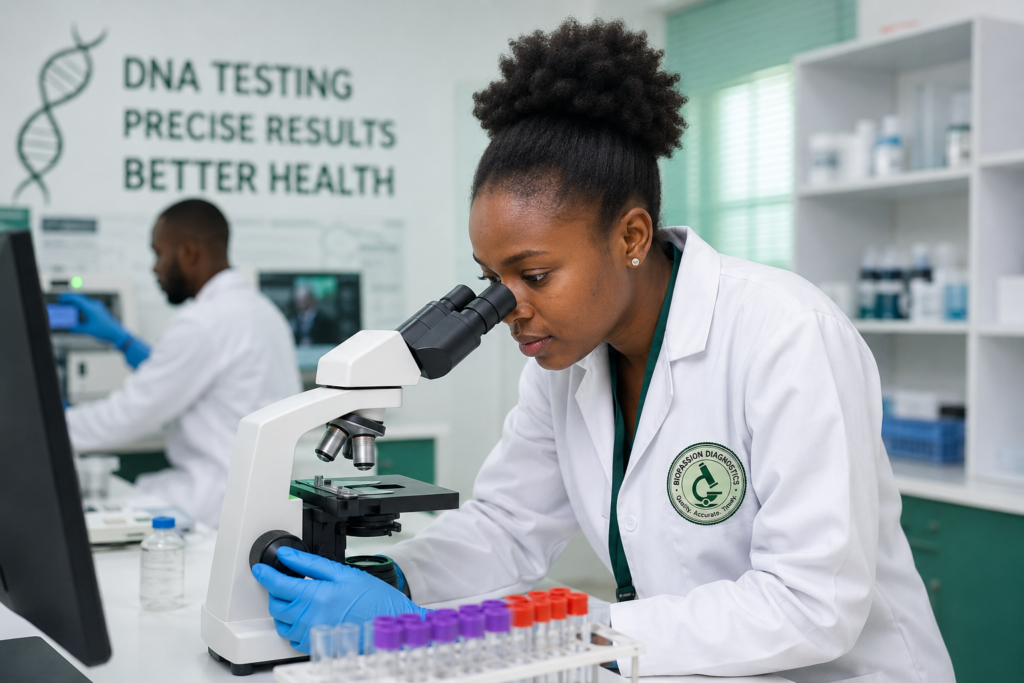
Why Regular Health Screening Matters
There’s a particular kind of dread that settles in before a lab appointment. Maybe it’s the needle. Maybe it’s the silence while you wait for a result. Or maybe it’s something quieter, the belief that if you feel fine, there’s simply nothing to check.
That fear is human. It’s also, quite often, the very thing standing between you and years of good health.
Modern medicine hasn’t made disease less dangerous. What it has done is make disease easier to catch earlier, more accurately, and with far more room to act than any generation before us has had. And sitting at the heart of that shift is one of healthcare’s quietest heroes: diagnostics.
Every day, millions of lab tests are run without fanfare, yet they shape nearly every major decision a doctor makes. A single blood draw. A molecular panel. A urine sample. Each one is a small act of translation, turning what’s invisible inside your body into something a clinician can actually act on. The World Health Organization puts it plainly: diagnostics sit at the core of prevention, screening, diagnosis, treatment, and disease monitoring worldwide. They’re estimated to influence roughly 70% of clinical decisions, yet they consume only a sliver of global healthcare spending. Quietly powerful, chronically underrated.
Avoiding the Test Doesn’t Avoid the Disease
Here’s a myth worth retiring: that skipping a test somehow keeps bad news at bay.
It doesn’t.
And by the time symptoms do show up, the fight has usually gotten harder , more complicated to treat, more expensive to manage, less forgiving in its outcomes.
Not knowing doesn’t protect you. It just delays your chance to respond.
A Test Result Isn’t a Verdict, It’s Information
Somewhere along the way, lab testing picked up an unfair reputation: that it’s a courtroom, and the result is the sentence.
It isn’t.
A disease left undiagnosed isn’t a disease that’s gone away, it’s a disease that’s unsupervised. Conditions like diabetes, kidney and liver disease, high cholesterol, hypertension, hepatitis, HIV, thyroid disorders, and cervical cancer are notorious for moving in silence, sometimes for years, before symptoms ever surface.
And by the time symptoms do show up, the fight has usually gotten harder, more complicated to treat, more expensive to manage, less forgiving in its outcomes.
A result is simply data. Think of it like the dashboard light in your car, it doesn’t cause the engine trouble, it just tells you about it before you’re stranded on the highway. Your bloodwork does the same thing for your body, flagging shifts long before you’d ever feel them.
Sometimes that data confirms everything is exactly as it should be, which is its own kind of relief. Other times, it picks up on something just in time to fix it by changing their diet, starting a new medication, or simply keeping an eye on things.
Either way, you walk away better equipped than you were before.
Early Detection Doesn’t Just Help, It Changes the Whole Trajectory
If there’s one thing decades of clinical evidence agree on, it’s this: the earlier a condition is found, the better it tends to go.
Earlier detection generally means more treatment options, fewer complications, better odds of recovery, and lower costs down the line. The WHO has been clear that delayed diagnosis shortens survival and drives up the complexity and cost of care, while catching things early does the opposite.
And this isn’t just a cancer story. Routine testing regularly catches:
- Diabetes – before complications set in.
- Kidney disease – before kidney failure becomes the conversation.
- Liver damage – before it turns into permanent scarring.
- Vitamin deficiencies – before they quietly erode your energy and health.
- Hormonal imbalances – before they take over daily life.
- STIs – before they’re passed on unknowingly.
- Heart disease risk – before it becomes a heart attack or stroke.
Every one of these has a better ending when it’s caught sooner rather than later.
“I Feel Fine” Isn’t the Same as “I Am Fine”
Feeling good matters indeed but it’s not a diagnostic tool.
High blood pressure rarely announces itself. High cholesterol is invisible. Early-stage diabetes can hide in plain sight for years. HPV-related cervical changes typically show no warning signs at all. Some kidney conditions stay silent until real damage is already done.
The absence of symptoms is not the same as the absence of disease, and this is exactly why lab testing exists: to look past what you can feel and into what’s actually happening beneath the surface.
The Unknown Is Scarier Than the Test
Ironically, the fear of testing usually causes more anxiety than the test itself.
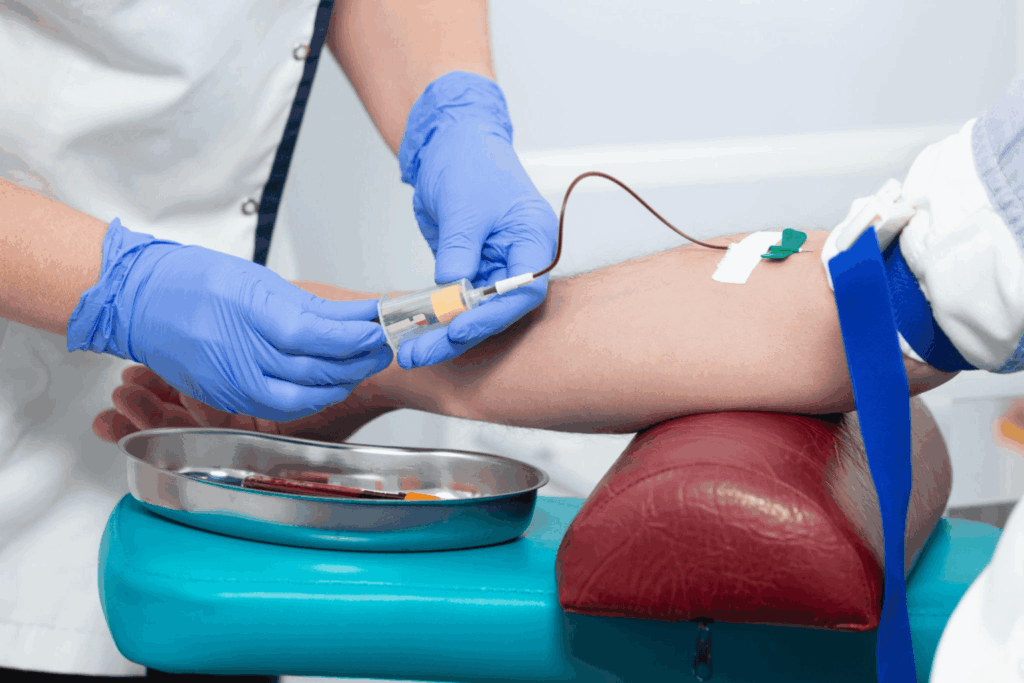
Most lab procedures are quick, low-risk, and over before you’ve had time to overthink them. A blood draw takes minutes. Urine and stool samples require no needles at all. Even advanced molecular diagnostics now need only a small sample to deliver highly precise answers.
Understanding what a test involves and why your provider recommended it, ends to dissolve most of the fear around it. And a good lab team isn’t just there to collect a sample; they’re there to walk you through the process with clarity, discretion, and genuine care.
A “Normal” Result Isn’t a Wasted Trip
There’s a common assumption that testing only matters when something’s wrong. But a normal result is doing real work too, it builds your personal health baseline, gives you peace of mind, and makes it far easier to spot meaningful changes down the road.
Health isn’t a single checkbox. It’s an ongoing conversation your body is having with you, and testing is how you stay fluent in it.
Treat Your Health Like an Investment, Not a Fire to Put Out
For too many people, healthcare only enters the picture once symptoms are already disrupting work, family, or daily life. That’s reactive care, and it’s the most expensive, most stressful way to manage your health.
Preventive care flips that script. Routine testing lets you catch risks while they’re still manageable, and make informed choices about nutrition, exercise, treatment, and lifestyle long before a crisis forces your hand.
Knowing today is how you avoid an emergency tomorrow.
Trust the Evidence, Not the Noise
Misinformation travels fast, and social media has no shortage of stories exaggerating the risks of medical testing or stoking unnecessary fear around it. Real diagnostic science isn’t built on fear it’s built on evidence, rigorous quality standards, and clinical expertise refined over decades.
A responsible lab isn’t in the business of scaring people. It’s in the business of replacing uncertainty with answers, answers that put real power back in the hands of patients and the professionals caring for them.
The Simplest Decision, With the Biggest Payoff
Choosing to get tested was never about expecting bad news. It’s about choosing clarity over guesswork, and giving yourself, and the people who love you, the chance to act while there’s still time to act.
The healthiest people aren’t necessarily the ones who never get sick. They’re the ones who understood, early, that prevention starts with knowledge, and that knowledge starts with a test.
The Bottom Line
Don’t fear the test.
Fear the diagnosis that comes too late.
Fear the complications that could have been prevented.
Fear waiting for symptoms that may not show up until it’s too late to act.
A medical test isn’t something to dread, it’s one of the smartest investments you’ll ever make in your own future.
Because when your health is on the line, knowing will always beat guessing.
Book a test here – https://biopassiondiagnostics.com/
Biopassion Diagnostics – Your Trusted Partner in Preventive Healthcare.