Alcoholic Liver Disease Check-Up: Busting the Myths That Keep People From Testing
“I only drink on weekends.” “I’m not an alcoholic, so my liver’s fine.” “I’d know if something was wrong.”
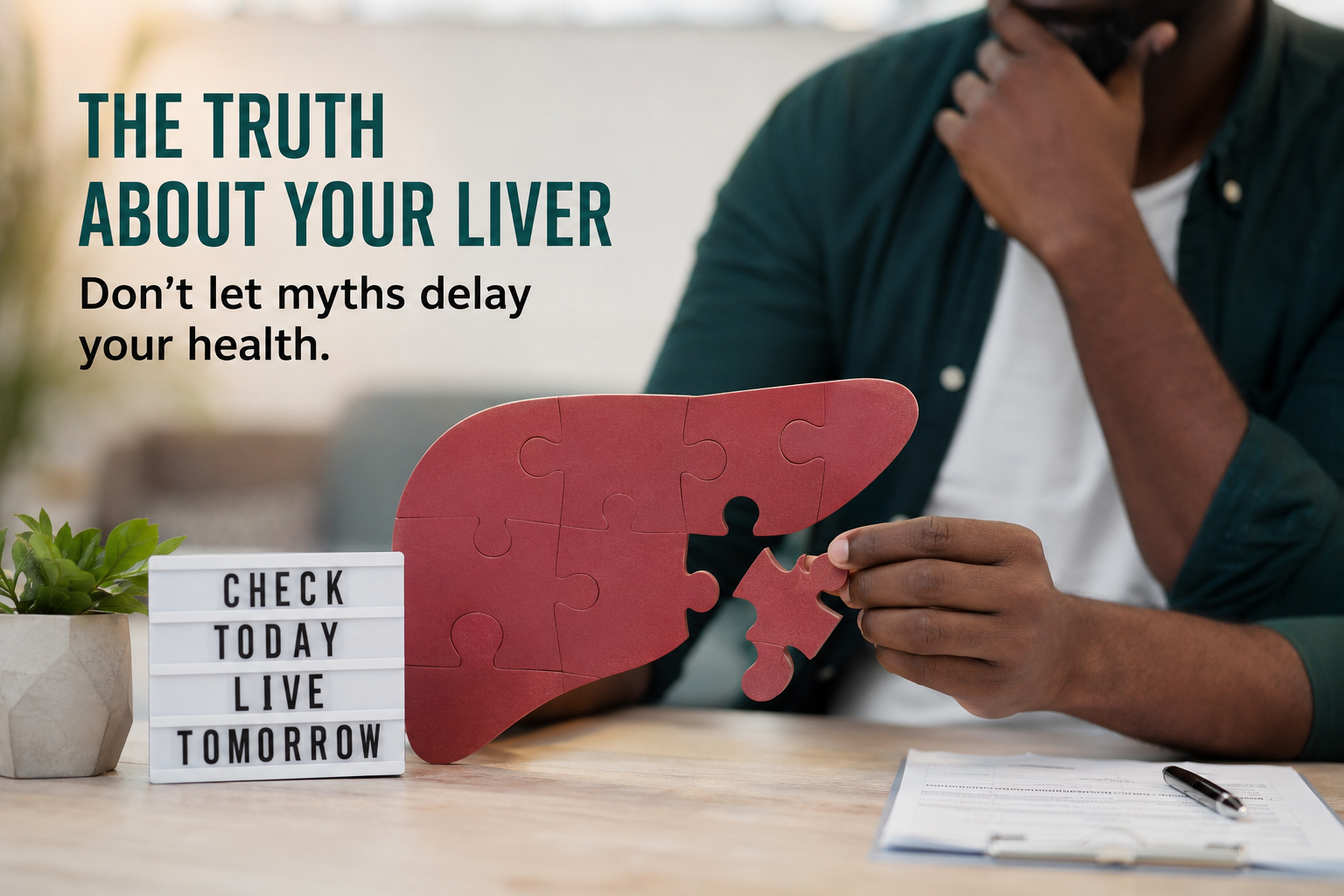
These are the three sentences that keep people out of the lab and away from an alcoholic liver disease test that could catch damage while it’s still reversible. Let’s take them apart one myth at a time, and look at what a Basic Alcoholic Liver disease Test actually tells you.
Myth 1: You Have to Be “an Alcoholic” for It to Matter
Fact: Alcohol associated liver disease doesn’t wait for a diagnosis of alcohol use disorder. Research shows ALD prevalence sits at around 3.5% in the general population, but climbs sharply to 26% among hazardous drinkers, and 55.1% among people with alcohol use disorder. Read the middle number again: “hazardous drinker” isn’t a clinical label most people would apply to themselves. It just means drinking above recommended limits regularly, which describes a lot of otherwise “normal” drinking patterns.
Myth 2: It Only Happens to Heavy, Daily Drinkers
Fact: Sort of, but the bar is lower than people think, and the trend is moving in the wrong direction. Studies estimate that 15 to 20% of people who drink heavily over the long term go on to develop cirrhosis. And this isn’t an “older generation” problem anymore. Global data shows alcohol associated liver disease is increasingly prevalent among younger adults aged 20 to 45, and has become a leading cause of liver transplantation in the US and Europe.
Myth 3: I’d Feel It if My Liver Was Struggling
Fact: This is the most dangerous myth of the three. The liver has no pain nerves in the way your skin or muscles do; it can be under real strain and give you almost nothing to notice. Alcohol associated cirrhosis alone affects an estimated 3.15 million people globally, with roughly 419,000 new cases every year. Alcohol related liver disease accounts for about 48% of all cirrhosis deaths worldwide, and once diagnosed at an advanced stage, five year mortality rates exceed 50%. The damage is often silent until it isn’t.
What Does a Basic ALD Check Up Actually Involve?
It’s not one dramatic test. It’s a focused panel designed to flag alcohol related liver stress early:
- GGT (Gamma Glutamyl Transferase): Often the first marker to rise with regular alcohol intake, sometimes elevated before anything else looks abnormal
- AST & ALT: Liver enzymes; in alcohol related damage, AST is often notably higher than ALT, a pattern clinicians specifically look for
- AST/ALT Ratio: A ratio above 2 is a classic (though not definitive) signal of alcohol related liver injury
- Bilirubin: Elevated levels can indicate the liver is struggling to process waste
- Full Blood Count: Low platelets, in particular, can be an early sign of developing cirrhosis
- Albumin: A drop can signal reduced liver protein production, seen in more advanced disease
Together, these markers don’t just say “something’s off.” They help build a pattern specific enough to guide next steps.
Why the Global Numbers Matter Locally
According to the WHO, alcohol is responsible for nearly 5% of all deaths globally and 5.1% of the total global burden of disease, hitting the working age population, people aged 15 to 44, hardest. An estimated 400 million people worldwide, roughly 7% of the population aged 15 and older, live with an alcohol use disorder. This isn’t a distant, abstract crisis. It’s a workplace sized problem, a family sized problem, a “probably someone you know” problem.
Who Should Get an Alcoholic Liver Disease Test
You don’t need to identify as a “heavy drinker” to benefit from testing. Consider it seriously if you:
- Drink more than occasionally, even if it feels “social” or “normal”
- Have noticed increased tolerance (needing more to feel the same effect)
- Have a family history of liver disease
- Have ever been told your liver enzymes were “slightly high” and never followed up
- Simply haven’t had your liver checked in years, regardless of drinking habits
None of the myths above hold up against the data. You don’t have to hit rock bottom for alcohol to be quietly affecting your liver, and by the time symptoms show up, the disease has often already progressed. A basic ALD check up takes a few minutes and gives you something far more useful than reassurance based on guesswork: an actual answer.
If any of those three myths sounded familiar to you, that’s usually the clearest sign it’s time to test.
