By Biopassion Diagnostics
Hypertension in Kenya is a quiet health crisis. You can feel perfectly well and still have dangerously high blood pressure. In fact, a national survey found that about one in four Kenyan adults (24.5%) lives with hypertension. Many of them do not know it.
The same survey revealed a worrying gap in care. Among people who knew they had hypertension, only 26.9% were on treatment. Of those on treatment, just 51.7% had their blood pressure under control.
The good news is that hypertension is simple to detect and very possible to manage. This guide explains what hypertension is, why it is so common in Kenya, which symptoms to watch for, which tests help, and what you can do today to protect your heart, brain and kidneys.
What is hypertension?
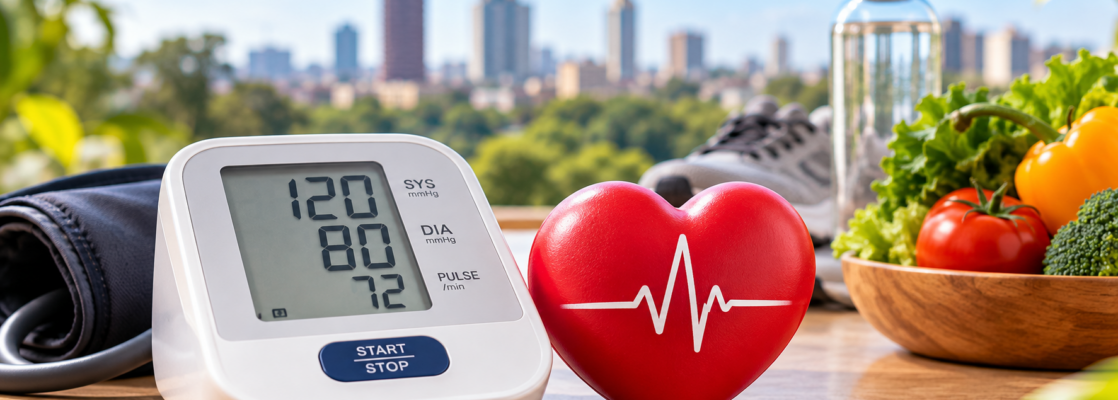
Hypertension is the medical word for high blood pressure. Blood pressure is the force of blood pushing against the walls of your arteries as your heart pumps. It is written as two numbers, for example 120/80.
The top number is the systolic pressure. It shows the force when your heart beats. The bottom number is the diastolic pressure. It shows the force when your heart rests between beats.
When pressure stays high over time, it damages your arteries. As a result, your heart works harder, and your organs receive blood under too much strain.
Blood pressure readings at a glance
- Normal: below 120/80 mmHg
- Raised: 120 to 139 over 80 to 89 mmHg. Watch it closely and start lifestyle changes.
- Hypertension: 140/90 mmHg or higher on repeated readings taken on different days
- Emergency: 180/120 mmHg or higher, especially with chest pain, severe headache, confusion or weakness. Go to the nearest hospital immediately.
A single high reading does not confirm hypertension. Stress, rushing, caffeine and pain can all push the numbers up for a short time. Therefore, doctors confirm the diagnosis with repeated measurements.
How common is hypertension in Kenya?
The 2015 Kenya STEPS survey gave the first nationally representative picture. It found that 24.5% of adults aged 18 to 69 had hypertension, after adjusting for age.
Another analysis of the same survey counted people with readings of 140/90 or higher, as well as those taking blood pressure medicine. It found a prevalence of 28.6%. Hypertension rose sharply with age. It affected 17.7% of adults aged 18 to 29, and 58.3% of those aged 60 to 69.
That second analysis also linked hypertension to older age, overweight and obesity, binge drinking and type 2 diabetes.
Kenya is not alone. A review of studies across sub-Saharan Africa reported a pooled prevalence of about 30%. However, only 27% of people were aware of their condition, 18% were treated, and just 7% had their blood pressure controlled.
Because the national survey dates from 2015, today’s figures may differ. Still, researchers continue to warn that hypertension is rising across the region. For that reason, regular screening matters more than ever.
Why hypertension is called the silent killer
Most people with hypertension have no symptoms at all. They go to work, care for their families and feel fine, while the damage builds up inside their blood vessels.
Some people notice headaches, dizziness, nosebleeds or blurred vision. However, these signs usually appear only when blood pressure is very high. They are also common in many other conditions. Consequently, the only reliable way to know your blood pressure is to measure it.
Warning signs that need urgent care
Seek emergency help right away if high blood pressure comes with any of the following:
- Severe or sudden headache
- Chest pain or shortness of breath
- Confusion, or trouble speaking
- Weakness or numbness on one side of the body
- Sudden changes in vision
- A seizure
These can be signs of a stroke, a heart attack or another life threatening problem. Do not wait for them to pass.
Causes and risk factors of hypertension in Kenya
In most adults, no single cause is found. Doctors call this primary hypertension. It develops slowly through a mix of genes, age and lifestyle. In others, an underlying problem such as kidney disease, a hormone disorder or certain medicines raises the pressure. This is called secondary hypertension.
Common risk factors include:
- Too much salt. Table salt, stock cubes, salted or processed meats, fast food and packaged snacks add up quickly.
- Overweight and obesity. Extra weight, especially around the waist, puts more load on the heart.
- Physical inactivity. Long hours of sitting at a desk or in traffic reduce fitness.
- Alcohol. Heavy and binge drinking raise blood pressure.
- Tobacco. Smoking damages blood vessels.
- Diabetes and high cholesterol. These often travel together with hypertension.
- Stress and poor sleep. Long term stress and short sleep both play a role.
- Family history. If your parents or siblings have hypertension, your risk is higher.
- Age. Risk climbs steadily as you grow older.
What hypertension can do to your body
Uncontrolled hypertension is a leading cause of serious illness. Over time, it can lead to:
- Stroke. High pressure can block or burst blood vessels in the brain.
- Heart attack and heart failure. The heart muscle thickens and weakens.
- Kidney disease. Damaged vessels in the kidneys cannot filter blood well.
- Eye damage. Tiny vessels in the retina can bleed, which may affect vision.
- Memory and thinking problems. Reduced blood flow to the brain can contribute to dementia.
- Pregnancy complications. High pressure can harm both mother and baby.
The longer hypertension goes unnoticed, the greater the risk. Early detection changes the story.
How is hypertension diagnosed?
Diagnosis starts with a proper blood pressure measurement. For an accurate reading:
- Rest quietly for at least five minutes before the check.
- Sit with your back supported and your feet flat on the floor.
- Rest your arm at heart level, with the cuff on bare skin.
- Avoid caffeine, smoking and exercise for 30 minutes beforehand.
- Empty your bladder first.
Your clinician will usually repeat the measurement, and confirm it on more than one visit. Home monitoring with a validated upper arm cuff can also help. It shows how your pressure behaves in daily life, away from the stress of the clinic.
Lab tests that support hypertension care
A blood pressure check tells you whether your pressure is high. Laboratory tests tell you more. They help find possible causes, show whether organs are already affected, and reveal other risks that need attention.
- Kidney function tests (creatinine, urea and eGFR). The kidneys both affect and are affected by blood pressure.
- Electrolytes (sodium and potassium). These minerals help control fluid balance and pressure.
- Urinalysis. Protein or blood in the urine can be an early sign of kidney strain.
- Lipid profile. It measures cholesterol and triglycerides, which influence heart and stroke risk.
- Blood glucose and HbA1c. They check for diabetes, which often occurs with hypertension.
- Full blood count. It gives a general picture of your health.
Your doctor will decide which tests suit you. Bring your results to every review so that your treatment plan is based on the full picture.
How to lower your blood pressure: practical steps
Small, steady changes work best. Here is how to start.
- Cut back on salt. The World Health Organization advises less than 5 grams a day, which is about one level teaspoon. Taste your food before adding salt. Use fewer stock cubes, and choose fresh herbs, garlic, ginger, lemon and spices for flavour.
- Fill your plate with plants. Enjoy vegetables such as sukuma wiki, spinach and cabbage. Add beans, lentils, fruit and whole grains. Foods rich in potassium, such as bananas and avocados, can help. If you have kidney disease, ask your doctor first.
- Watch the fried and processed foods. Limit chips, sausages, salted fish and packaged snacks.
- Move every day. Aim for at least 150 minutes of moderate activity a week. Brisk walking, cycling, dancing and swimming all count. Take the stairs, and walk part of your commute.
- Reach a healthy weight. Even a modest loss can lower your blood pressure.
- Limit alcohol and stop smoking. Both make a real difference to your heart and blood vessels.
- Manage stress and sleep. Try deep breathing, prayer, time with loved ones or a short daily walk. Aim for seven to eight hours of sleep.
- Check your pressure regularly. What you measure, you can manage.
Treatment and medicines
For many people, lifestyle changes are not enough on their own. If your doctor prescribes medicine, take it exactly as directed. Here are the key points:
- Do not stop your tablets because you feel well. Feeling well is often a sign that the medicine is working.
- Take them at the same time each day, and set a phone reminder if it helps.
- Never share medicines or buy them without a prescription.
- Be careful with herbal remedies and supplements. Some can interact with prescribed medicines or raise blood pressure. Tell your doctor about everything you take.
- Attend your follow up visits. Your doses may need adjusting over time.
Hypertension in pregnancy
High blood pressure during pregnancy needs close attention. It may be a sign of preeclampsia, a serious condition that can affect the mother’s organs and the baby’s growth. Therefore, every pregnant woman should have her blood pressure and urine checked at each antenatal visit. Report severe headaches, swelling of the face or hands, vision changes and upper abdominal pain to your health provider without delay.
Common myths about hypertension
- “I feel fine, so my pressure must be normal.” Not true. Hypertension usually has no symptoms.
- “Only older people get it.” Not true. Younger adults are affected too, particularly with weight gain, stress and inactivity.
- “Once my pressure is normal, I can stop the medicine.” Not true. Normal readings usually mean the treatment is working.
- “Only people who add lots of salt are at risk.” Not true. Much of our salt comes from processed and packaged foods.
How often should you check your blood pressure?
Adults should have their blood pressure checked at least once a year. Check more often if you are overweight, have diabetes, have a family history of hypertension, or are over 40. If you have been diagnosed, follow your doctor’s advice on how often to monitor at home and in the clinic.
Take charge: test with Biopassion Diagnostics
Knowing your numbers is the first step towards a longer, healthier life. At Biopassion Diagnostics, we are a patient centred medical laboratory in Nairobi, Kenya, accredited by KMLTTB. We offer wellness screening and specialised laboratory tests, including kidney function tests, lipid profile and HbA1c. You receive timely, accurate results, with convenient sample collection.
Do not wait for symptoms. Book your screening today.
Call or WhatsApp: +254 704 150 555 (0704 150 555)
Your Health IS OUR PASSION.